Navigating the Bethlehem Property Market: What Buyers and Sellers Need to Know
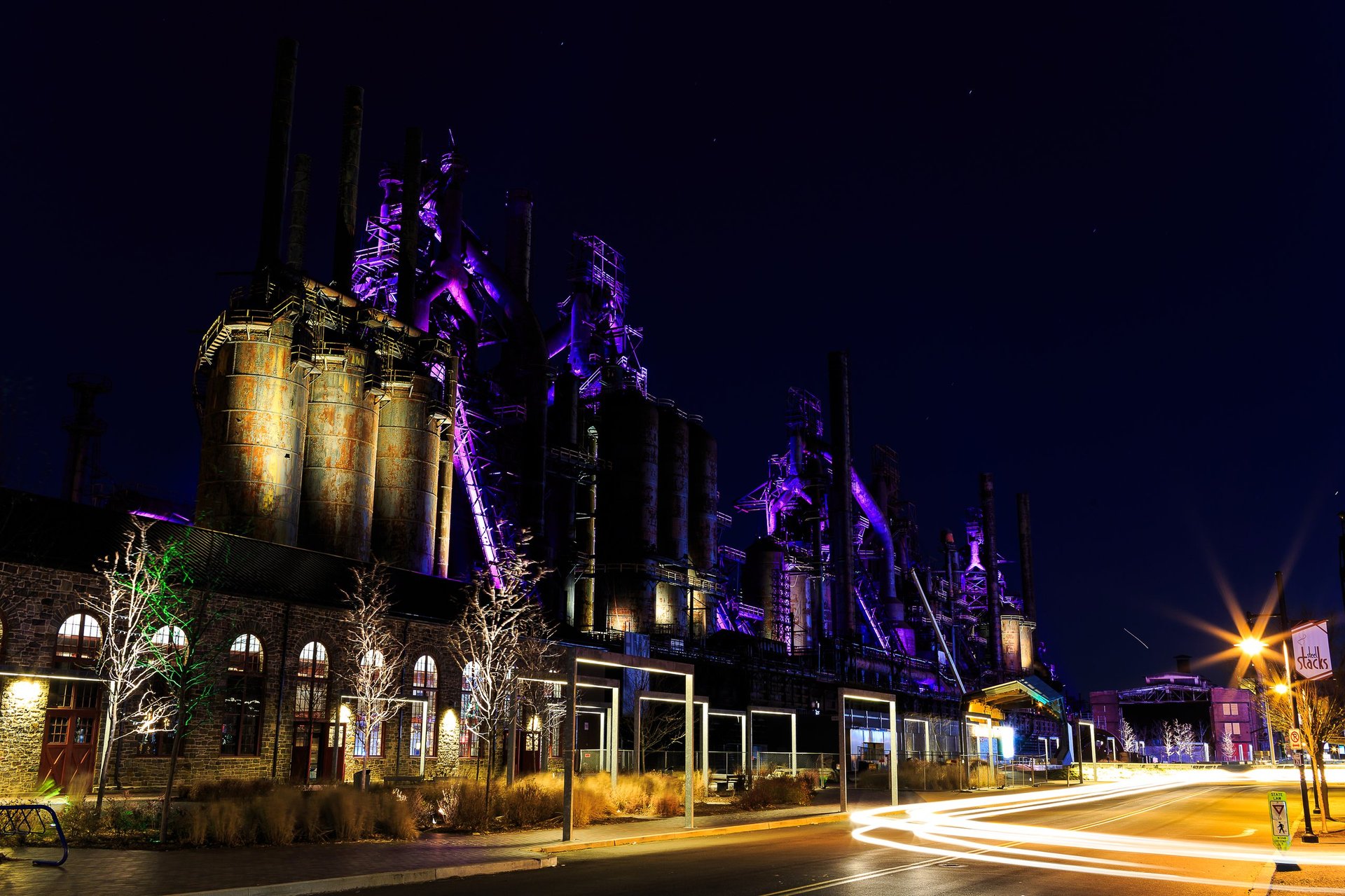
Bethlehem, Pennsylvania, carries a reputation that extends well beyond its steel-making past. Walk its historic streets, and you will find a mix of Moravian architecture, modern condos, and tree-lined neighborhoods that have drawn families, young professionals, and retirees alike. For anyone considering a move here, the bethlehem property market offers both opportunity and nuance. It is not a one-size-fits-all landscape, and understanding the local rhythms can make the difference between a smooth transaction and a frustrating one.
I have worked with buyers and sellers in the Lehigh Valley for years, and Bethlehem stands out for its distinct character. The city is split by the Lehigh River into the North Side and the South Side, each with its own vibe. The North Side, anchored by the historic downtown and the Colonial Industrial Quarter, tends to attract those looking for walkable streets and older homes with character. The South Side, home to Lehigh University, has a younger energy and more varied housing stock, from fixer-upper row homes to newer developments near the river. These differences shape the bethlehem property market in meaningful ways, and ignoring them is a common mistake for outsiders.
What Shapes the Local Market
Several forces drive demand in Bethlehem. The city has benefited from a steady influx of people moving from more expensive metro areas like New York City and Philadelphia. Remote work policies have allowed many to trade a cramped apartment for a house with a yard, and Bethlehem offers that at a price point that still feels reasonable relative to the coasts. At the same time, local employers in healthcare, education, and logistics provide a stable base of buyers who are not dependent on the whims of a single industry.
Inventory, however, has not kept pace with demand. The number of homes for sale in Bethlehem has been below historical averages for several years running. This shortage puts upward pressure on prices, especially for move-in-ready properties in desirable school zones. The historic district near Main Street is a prime example: homes there rarely last a full week on the market, and many sell for above asking price. Buyers need to be prepared to act quickly, sometimes within hours of a listing going live.
Price Trends and What They Mean for You
Over the past five years, median home prices in Bethlehem have risen steadily, though not at the breakneck pace seen in some suburban markets. In 2023, the median sale price hovered around $275,000, up from roughly $210,000 in 2019. That represents a healthy appreciation, but it also means that affordability is becoming a concern for first-time buyers. Condos and townhomes, particularly in newer developments along the South Side, offer a more accessible entry point, often landing between $180,000 and $230,000.
For sellers, this is a favorable moment. Well-maintained homes with updated kitchens, bathrooms, and mechanicals command a premium. But overpricing remains a risk. The bethlehem property market has a savvy pool of buyers who have done their research, and properties that sit for more than 30 days often require price reductions to attract offers. Pricing should reflect recent comparable sales, not what a seller hopes to get based on memories of the market five years ago.
Neighborhoods Worth a Closer Look
If you are actively house hunting in Bethlehem, you will want to understand the character of each area before you start touring. Here is a quick overview of some of the most sought-after neighborhoods:
- Historic Downtown (North Side): Cobblestone streets, brick sidewalks, and homes dating back to the 1700s. Tight inventory, premium prices, and strict historic preservation rules. Ideal for those who value charm over square footage.
- West Bethlehem: A broad area with a mix of mid-century ranches, colonials, and newer subdivisions. Good schools and larger lots appeal to families. Prices tend to be moderate, but competition is increasing.
- South Side / Lehigh University Area: More rental properties and student housing, but also pockets of affordable single-family homes. Great for investors and first-time buyers willing to do some renovation.
- Bethlehem Township: Technically outside city limits but often grouped into the broader market. More suburban feel, with shopping centers and newer construction. Commuters appreciate the easy access to Route 33.
Each of these areas has its own trade-offs. A historic home may come with higher insurance costs and restrictions on window replacements. A newer home in the township might offer a garage and a yard but lack the walkability that makes Bethlehem famous. The key is to prioritize what matters most to you personally, not just what looks good on paper.
Working With a Local Agent
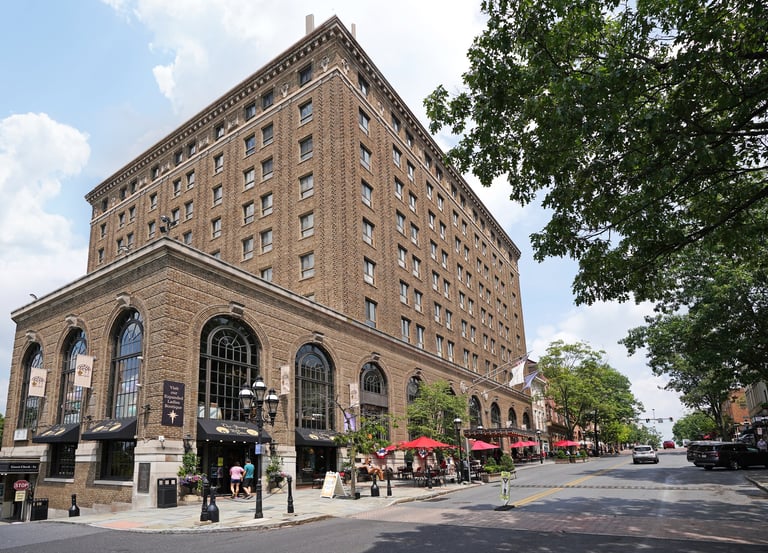
One of the biggest mistakes I see from out-of-town buyers is relying on an agent who does not specialize in Bethlehem. A generalist may not know that certain streets in the historic district have shared driveway easements, or that some South Side properties are in a flood zone. Local expertise matters especially in a market where homes sell quickly and contingencies are tight.
If you are selling, staging matters more than you might think. In a market where buyers often decide within the first thirty seconds of a listing photo, a cluttered or dated interior can cost you thousands. Simple updates like fresh paint, neutral flooring, and professional photography are worth the investment. I have seen homes in the same neighborhood sell for fifty thousand dollars apart, and the difference almost always came down to presentation.
Financing and Competition
Mortgage rates have climbed in the past couple of years, which has cooled the market slightly but not dramatically. Cash offers still carry an edge, especially in multiple-offer situations. But conventional loans with solid down payments are still competitive, particularly if you can close quickly. Pre-approval letters are non-negotiable; do not start touring without one.
For those considering an FHA or VA loan, be aware that some properties in older neighborhoods may not meet minimum property standards. Sellers in the historic district may be reluctant to make repairs for a buyer with a government-backed loan. That does not mean you should rule out those loan types, but it does mean you need an agent who can guide you toward homes that are likely to appraise and pass inspection without surprises.
Looking Ahead
The Bethlehem property market shows no signs of a dramatic downturn. Population growth in the Lehigh Valley continues, and the city's investments in arts, dining, and riverfront development make it more attractive each year. New construction is happening, but it tends to be concentrated in higher-end townhome projects rather than affordable single-family homes. That means the existing housing stock will remain the primary option for most buyers, and competition for those homes will stay strong.
For sellers, the window of peak pricing may not last forever. If you are thinking of listing within the next year, you should start preparing now. Decluttering, making minor repairs, and researching agents takes time, and a rushed sale almost always leaves money on the table.
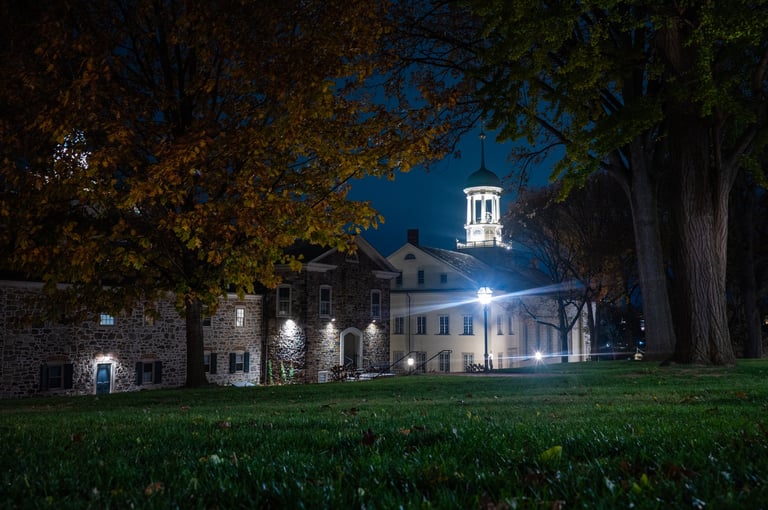
Bethlehem is not a market where you can coast on generic advice. It rewards preparation, local knowledge, and a willingness to move decisively. Whether you are buying your first home, upgrading to a larger space, or selling a property you have held for years, understanding the specific dynamics of this city will serve you well. Talk to neighbors, walk the blocks you are considering, and work with people who live and breathe this area. That is the best strategy for navigating the Bethlehem property market with confidence.